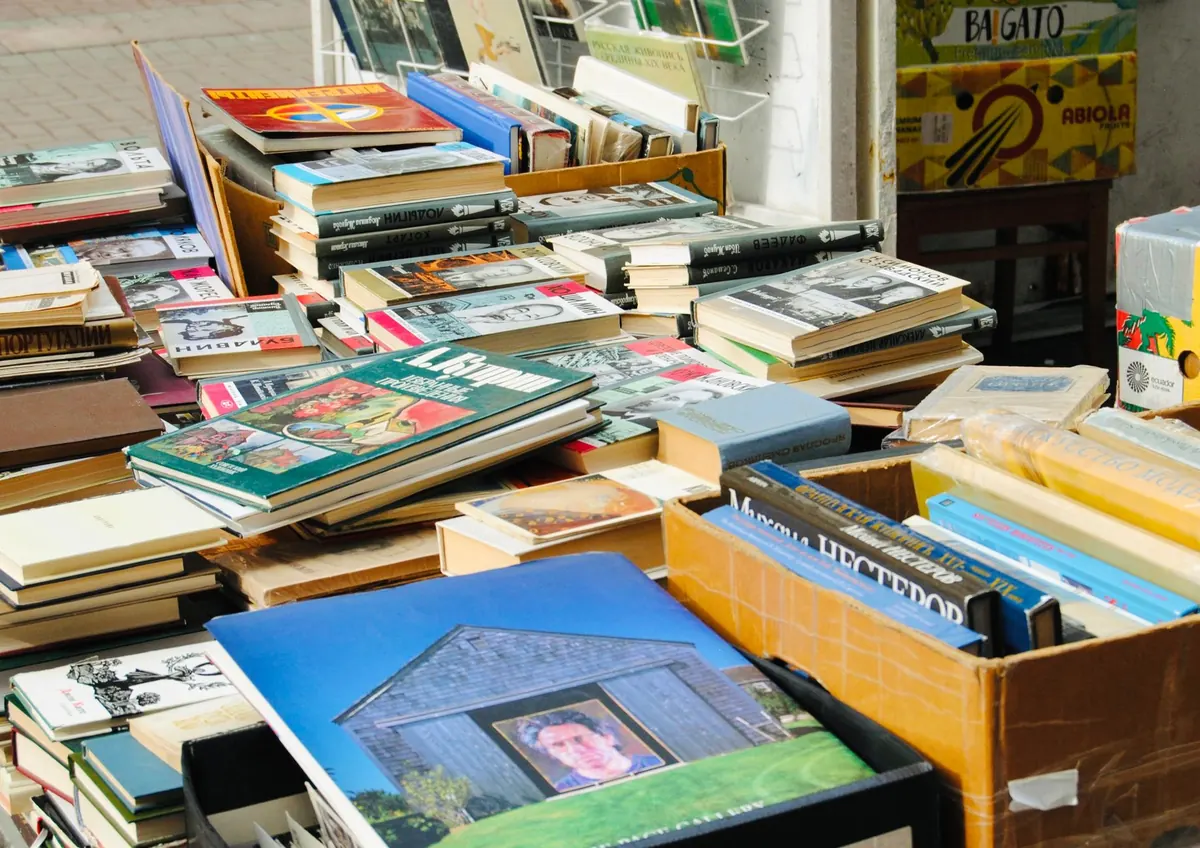
Autumn is the season publishers stop hedging. The books that arrive between September and November are the ones houses have chosen to stand behind, and 2026's crop leans hard in two directions: historical fiction with long memories, and quieter, stranger novels that resist easy categories. There is also a healthy run of debuts, a short story collection worth clearing a weekend for, and enough domestic suspense to keep a book group arguing until Christmas.
What follows is a guide, not a set of rules. Publication dates shift constantly, sometimes by weeks, so treat the running order below as a shape for the season rather than a fixed calendar. Confirm details with your local bookshop or library before you commit.
The Historical Novels
The Saltings — Elinor Craven. Three generations of a family on the Norfolk marshes, and the east coast floods of 1953. Tidal, patient, and superb on the things families decide not to say. The best kind of historical novel: specific about place, uninterested in costume drama.
Copper and Bone — Rhys Ambleton. A Welsh valley town during a long industrial dispute, told through a chapel choir and one disappearance. Ambleton's prose is spare to the point of stinginess, which makes the emotional moments land hard.
The Wintering House — Margaret Ellwood. Evacuated siblings in a Shropshire house in 1941, and the house's owner, who is not quite what she appears. Warm and quietly unsettling in equal measure.
Green Line — Tomasz Wiśniewski. Polish airmen settling into postwar Lincolnshire, building lives in a country that is not sure it wants them. Excellent on the small humiliations of starting again.
A Station at Night — Priya Nandakumar. An Anglo-Indian family arrives in Birmingham in the late 1940s with two trunks and a set of assumptions that do not survive the first winter. Generous, funny, and full of good food.
Domestic Suspense and Quiet Thrillers
This is where the season gets tense. None of these novels rely on a body in the first chapter; they rely on what a character knows and will not admit.
Everything the Water Kept — Ruth Calloway. A woman returns to a Derbyshire reservoir and the village drowned beneath it. Slow-burn, atmospheric, and genuinely surprising in its final third.
The Tenant Above — Daniel Okonkwo. South London flats, a neighbour who is never quite seen, and a narrator whose memory of a bad year is unreliable. Claustrophobic in the best way.
The Photograph on the Stair — Claire Doran. Clearing a house after a death, a woman finds a photograph taken after the date she was told someone died. A properly plotted mystery with real emotional weight.
Nine Days of Rain — Sam Aldridge. A coastal town loses power, and a teenager goes missing. The tension here is communal rather than personal, and all the better for it.
A Quiet Inheritance — Bethan Pryce. Two sisters, one hill farm, and a will nobody wants to read. More character study than thriller, and the calmest book on this list.
Speculative, Weird and Near-Future
Meridian Bell — Imogen Faye. A tidal-energy town on the Bristol Channel votes on whether to cut itself off from the national grid. Faye writes infrastructure and gossip with the same affection.
The Glasshouse Republic — Aaron Felix. An alternative history that turns on a single contested vote in 1945, and follows the consequences for fifty years. Ambitious, and largely successful.
Holloway Fen — Grace Odell. A drained mere, a village with a very orderly memory, and a child who comes home. Folk horror with dirt under its fingernails.
The Second Body — Leo Marchetti. A translator in Edinburgh begins dreaming in a language she does not speak. Short, slippery, and impossible to summarise without spoiling.
Low Tide at the Institute — Nadia Rahman. A research institute on the Thames estuary and an archive that has been quietly rearranged. For readers who like their mysteries unresolved.
Debuts, Second Novels and One Short Story Collection
Paper Boats on the Medway — Yusuf Adeyemi. Three siblings, one long summer, and a father with a plan. A debut that manages comedy and grief without flinching.
The Bright Interval — Katie Brennan. A marriage told entirely through a year of night shifts. Brennan's second novel is sharper than her first, which is saying something.
The Lido in Winter — Hannah Trelawny. A seaside lido, a bereavement, and a cold-water swimming group. Sentimental in the right places only.
The Last Video Shop in Rotherham — Danny Whitworth. It is 2004, the shelves are thinning, and the staff have decided to fight. The funniest novel here, and the one to save for a reading slump.
Hairline Cracks — Meera Vaidya. Twelve stories about repairs, renovations and the people doing the repairing. The strongest collection of the season.
A Reading Order That Actually Works
Twenty novels is not a shopping list; it is a menu. Here is how to sequence a realistic autumn without losing momentum.
- Start with the collection. Short stories reset your attention span and let you sample a voice before committing to 400 pages.
- Alternate heavy and light. After a historical epic, read something short. Marchetti or Odell work well as palate cleansers.
- Pair thematically. The Wintering House and Green Line are excellent read back to back, one about the war, one about what follows it.
- Save one comic novel. Keep The Last Video Shop in Rotherham for the week you cannot face anything bleak.
- Do not buy all twenty. Three or four is the honest number. Add the rest to a wishlist and revisit in spring.
If You Only Read Three
Take The Saltings for the history, Holloway Fen for the strangeness, and Hairline Cracks for the sentences. That trio covers the range of the season better than any ten others combined.
Practical Notes Before You Order Anything
Dates move. Titles change. Covers get redesigned two weeks before publication, and a novel scheduled for October can quietly slip to January. If one of these is a Christmas gift, check the current date with a bookseller rather than trusting an old listing.
Ordering through an independent bookshop is the surest way to get a copy on release day, and most will happily reserve a title for you if you ask. Libraries are also worth a look: reserving a book before publication usually costs nothing and puts you near the front of the queue, which matters for the debuts.
Finally, keep a simple note of what you read and what you thought. Two lines is enough. By December you will have a clear picture of your own taste in 2026, which is far more useful than any list — including this one.
Photo: Olha Ruskykh / Pexels