A good book club already has the two ingredients that matter: a book worth arguing about, and people who turn up. A theme simply gives the evening a shape. It tells you what to cook, how to set the table and where to start the conversation, so nobody spends the first half hour hovering near the crisps. The trick is to keep the theme loose enough to be enjoyable and specific enough to be useful — a colour, a place, a mood or a single dish can do far more work than an elaborate costume drama.
Begin with the book, not the buffet
Go back to the text before you go anywhere near a shopping list. What does this particular book hand you? A novel set in a hot coastal town gives you tomatoes, lemons, olive oil and a tablecloth with a bit of a pattern. A thriller set in a snowbound hotel gives you a dark room, one low lamp, and something hot and spiced in a mug. A memoir built around a family kitchen usually gives you a dish that appears on the page — cook that one, and you have your theme sorted.
If you find yourself planning an ambitious menu and no questions to ask, you have gone wrong somewhere. The theme exists to serve the discussion, not the other way round.
Choose a theme you can actually pull off
There are three approaches that rarely disappoint:
- Place-based. Cook and decorate for the book's setting: a city, a coastline, a decade.
- Mood-based. Match the atmosphere instead of the geography — bleak, cosy, feverish, nostalgic.
- Object-based. Pick one dish, drink or object that appears in the story and build the evening around it.
Then be honest about your limits. A theme should take an afternoon, not three days. If it needs a whole weekend of preparation, save it for a milestone meeting. Ask about dietary requirements when you announce the book, not the evening before, and always keep one plain, unseasoned option on the table so nobody is stuck with a glass of water and an apology. Agree a rough spending limit per person in advance if you are sharing costs; money quietly ruins more book clubs than disagreements about endings.
Food and drink that fit the story
One hero dish, two easy sides and something sweet is plenty. Alternatively, make it a "bring a dish the book mentions" night, which spreads the effort and gives people something to talk about on arrival.
- Warm European setting: bread, olives, tomatoes, a lemon and herb roast chicken, a bowl of peaches.
- Cold climate: root vegetable soup, dark rye bread, good butter, stewed berries with cream.
- American road trip: cornbread, chilli (with a vegetarian version alongside), coleslaw, apple pie.
- Historical British novel: potted cheese, pickles, a seed cake, tea poured from a proper pot.
- Fantasy or science fiction: describe rather than replicate. Flatbread, honey, spiced wine, dried fruit and nuts work for almost any invented world.
Mix one signature drink, with a non-alcoholic version in the same jug, and put water on the table without being asked. Alcohol should never be the centre of the evening; plenty of readers would rather have a decent cup of tea.
Decor that costs almost nothing
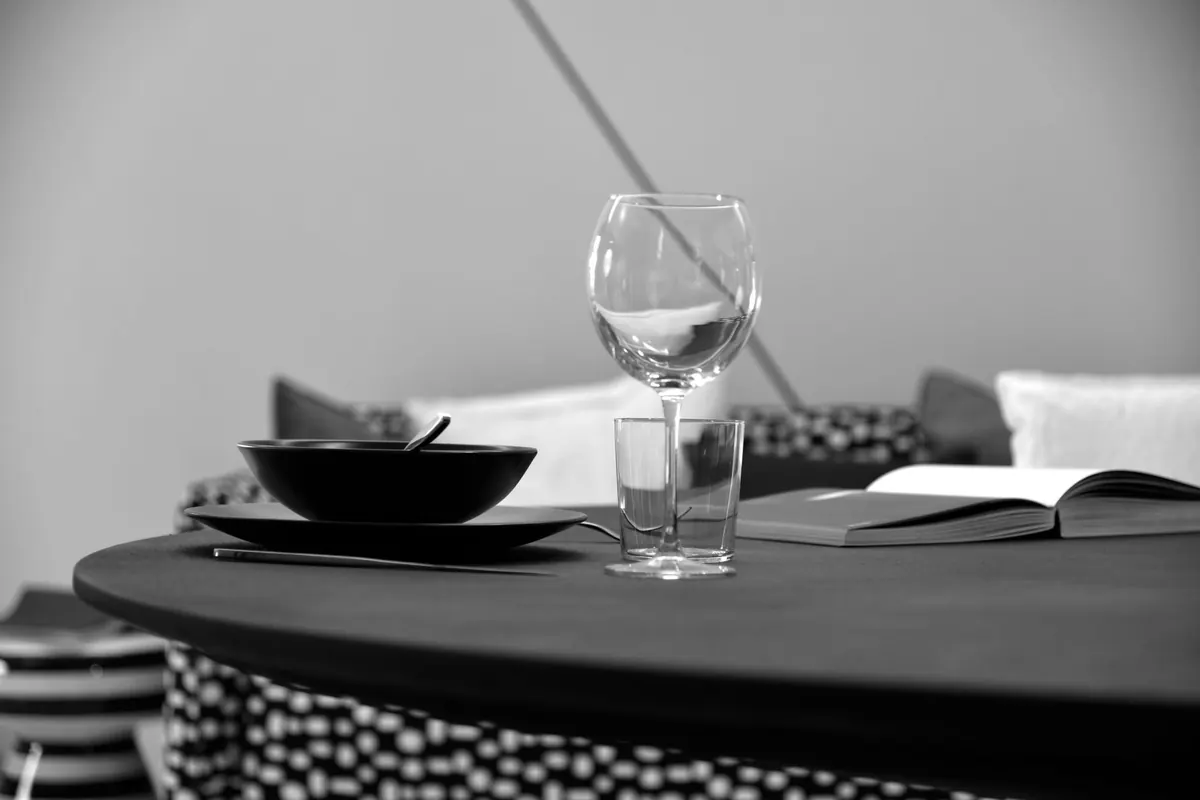
The rule is one focal point and forgiving light. A single lamp, a few candles and a clear table will beat a room full of props. Clutter makes conversation harder, not cosier.
Useful, cheap touches: a charity-shop cloth in a colour pulled from the cover, printed postcards or a map, a sprig of rosemary on each plate, mismatched crockery, and a playlist of period or regional music kept low enough to talk over. Handwritten place cards with a line from the book are free, and they give everyone an opening remark. Leave the heavy scent out of it, especially near food — what smells lovely in a shop can flatten a stew.
Discussion prompts that go somewhere
Structure the conversation in three rounds: first impressions, then the meat of the book, then what it made people think about. Prepare five or six questions and be ready to abandon all of them.
- Which character did you trust least, and at what point did that change?
- What would you have done in that situation?
- Was there a moment where the book lost you? Where?
- Which scene would you cut, and which would you most want to see filmed?
- What did the ending assume about the reader?
- Which person in this room would you pass this book on to, and why?
Two practical habits help. Save "did you enjoy it?" for the end, because it divides the room into camps too early. And if one voice is dominating, redirect gently: "Has anyone read that scene differently?" Silence is fine — give it a few seconds before filling it.
A running order for the evening
- First half hour: arrivals, drinks, food out. Many groups keep a no-book-talk rule until everyone has eaten.
- Round the table: one word each about the book. It warms everyone up and guarantees the quietest person speaks first.
- Main discussion: forty-five minutes to an hour, with a pause for seconds.
- Lighter round: ratings, dream casting, who gets the loan copy.
- Wrap up: choose the next book, confirm the date and host, and write it down somewhere shared before people leave.
Expect the best conversation of the night in the last twenty minutes, when half the group has relaxed and the plates are cleared. Don't rush people out.
Making the next one easier
Keep a small notebook for your book club: which dish disappeared first, which question sparked the best argument, how long the discussion actually ran. Photograph the table while it still looks good, so you can repeat it without thinking. Rotate the hosting and the theme-picking so the work is shared, and keep a standing rule that anyone can opt out of cooking and bring something shop-bought instead.
A themed evening works when it feels generous rather than staged. Pick one idea from the book, follow it through food, light and a handful of good questions, and let the rest of the night be whatever the group makes of it.
Photo: Serena Koi / Pexels