A Saturday browse in a bookshop you know well takes some beating. So does ordering a title at half eleven at night and finding it on the doormat two days later. Most readers do both, and the useful question is not which one wins, but what each does well, what it costs, and what quietly disappears when we stop using one of them.
What follows is a plain comparison for UK readers, with no scolding and no pretence that anyone can afford to be pure about this.
Price: The Gap Is Real, But Narrower Than It Looks
Large online retailers buy in enormous volume and use books to draw customers in, which lets them cut the price on popular titles and still make the numbers work. Independent shops usually sell at the recommended retail price. Their margins are thin enough that knocking a third off a paperback can be the difference between a sale and a loss, so most simply don't.
Look at the whole cost, though, and the picture shifts. Postage on a single paperback can swallow much of the saving, and a delivery subscription only pays off if you order often. Delivery brings admin too: missed parcels, bashed corners, returns to post back. A shop that swaps a damaged copy across the counter saves you the whole argument.
Discounts also cluster around the books that are already selling. The debut novel, the translated title, the small-press collection, the local history you actually want — these rarely get cut, and a good bookshop may be the only place you'll see them at all. If your reading rarely touches the bestseller charts, the online price advantage is smaller than the headline suggests.
Convenience and Speed: Two Different Kinds of Quick
Search beats browsing when you know exactly what you want. Type a title, check availability, choose a delivery slot. For textbooks, bulk orders, or anything you want as an ebook or audiobook, online is the obvious route, and no amount of affection for a shop will beat a Sunday delivery.
Where the shop is quicker
If you need the book today — a present, a school project, a long train journey — a shop with it on the shelf wins outright. Independent shops will also order for you: give them the title, and most will have it within a few days, ring you when it arrives, and charge no postage. You may wait slightly longer than a courier's promise, but you're not chasing a parcel around the neighbourhood.
For anything out of print or scarce, online marketplaces and second-hand specialists do something no high street can. That isn't disloyalty; it's availability.
The Browsing Experience: Serendipity Versus Search
Online bookshops are built for hunting. You find what you already had in mind, plus a carousel of books you viewed last week and a list of titles bought by people who bought this one. Nothing wrong with that, but it's a closed loop: the recommendations tend to circle back to what's already popular.
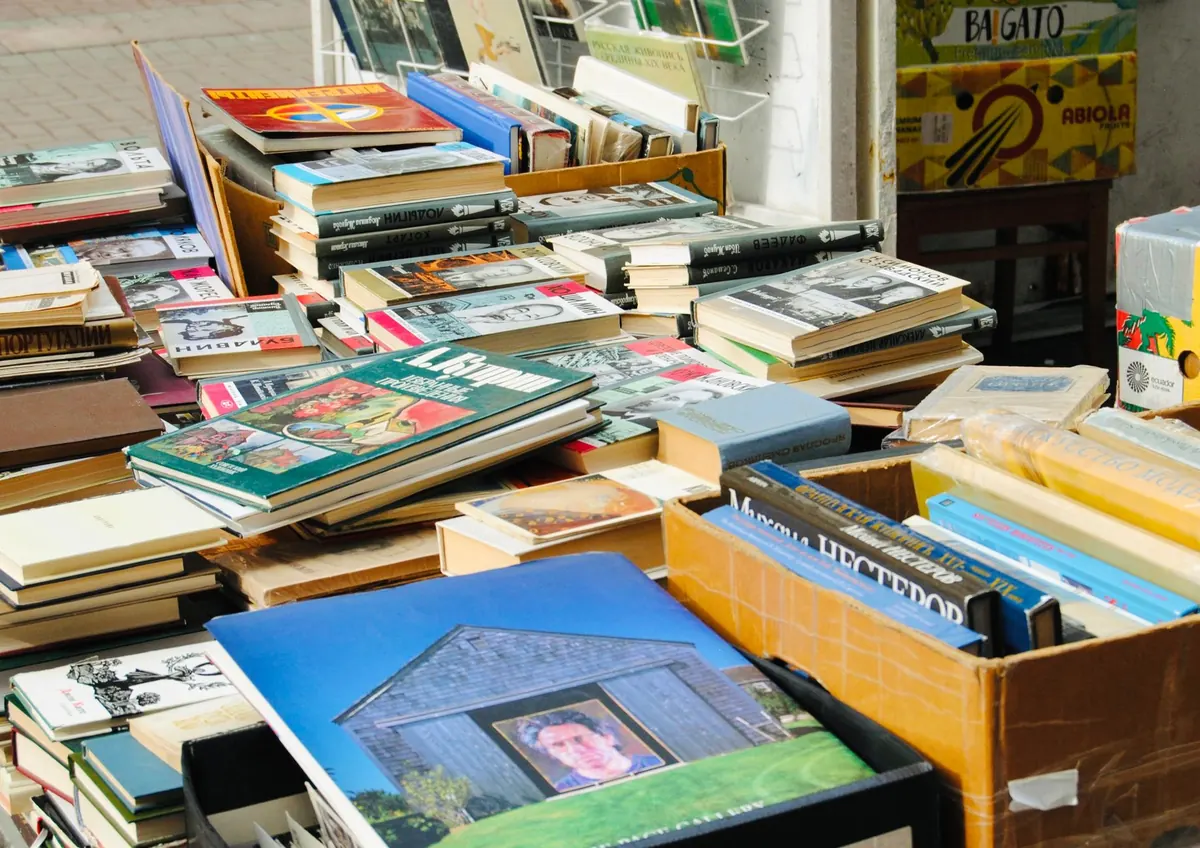
A physical shop does the opposite. Tables by the door, staff picks with handwritten notes, a shelf of poetry near the till — you meet books you would never have typed into a search box. A bookseller who has read the book can tell you in two sentences whether it's the one you want. That kind of matchmaking is hard to copy.
Two ways to get more out of each:
- In the shop: describe two or three books you loved and let the staff choose. Read the first page before you commit. Ask what they're enjoying at the moment.
- Online: follow two or three bookshops and small publishers whose taste you trust. Use the sample pages. Ignore reviews that only describe the plot back to you.
Community Impact: What a Shop Does Besides Selling Books
Bookshops run events: author readings, book clubs, children's story time, signings, school visits. They take orders for books by local writers, stock magazines nobody else bothers with, and give a high street somewhere to gather. Money spent with a local business tends to circulate locally to a greater degree than money spent with a large retailer based elsewhere — wages, rent, and suppliers all sit closer to home.
Libraries belong in this conversation too. Borrowing a book you're unsure about costs nothing and tells you whether it deserves shelf space of its own. Then buy the ones you'll read twice.
When to Buy Where: A Quick Guide
- Use a bookshop when you need it today, want advice, want a gift wrapped, or want a signed or special edition.
- Ask the shop to order any in-print title you'd otherwise buy online. Most will, often within days and without postage.
- Buy online for out-of-print or hard-to-find titles, bulk orders where delivery is shared, digital formats, and deadlines you can't move.
- Borrow first if you're unsure, then buy the ones worth keeping.
- Buy second-hand when price decides it. Charity shops and online sellers both exist for that.
Supporting Independent Shops Without Paying Over the Odds
A few habits make a genuine difference and cost very little:
- Order rather than only browse. If you found a title online, ring or email the shop and ask them to get it in.
- Use the shop's own website if it has one, or a shared-revenue platform that passes a slice to independent bookshops.
- Skip the showrooming. If the shop's shelves helped you choose, buy the book there.
- Spread it out. Nobody expects every book to be bought at full price. Buy the ones you'll keep from the shop and use the library or second-hand sellers for the rest.
- Turn up. Attend an event, buy a gift card, recommend the shop to a friend who reads the same things you do.
Be realistic about budget, too. If a discount matters this month, it matters. Take the deal and keep the shop in mind next time — that's a better arrangement than guilt.
Finding Your Own Balance
A workable routine for most readers: keep a running list of titles on your phone, take it to a bookshop when you have half an hour to spare, and let the staff push you somewhere unexpected. Use online ordering for the gaps — the out-of-print, the urgent, the digital.
Try one swap a month: order through a shop instead of a website, or buy one full-price book you'd normally wait to discount. Small, repeatable habits keep the places that make reading sociable open, and keep you finding books you'd never have searched for.
Photo: tranmautritam / Pixabay